

October is a month of transformation, when the vivid colors of autumn paint the landscape in hues of red, orange, and gold. Fittingly, the October birthstone captures this vibrant essence through two captivating gemstones: opal and tourmaline. These gems are celebrated for their stunning October birthstone colors, ranging from fiery iridescence to deep, rich tones. In this comprehensive guide, we’ll delve into the history, symbolism, and beauty of these October gemstones, explore exquisite October birthstone jewelry, and provide tips on how to care for these precious stones.
The Rich History and Symbolism of October Birthstones
Dual Gemstones for October
Unlike most months that have a single birthstone, October boasts two exceptional gems:
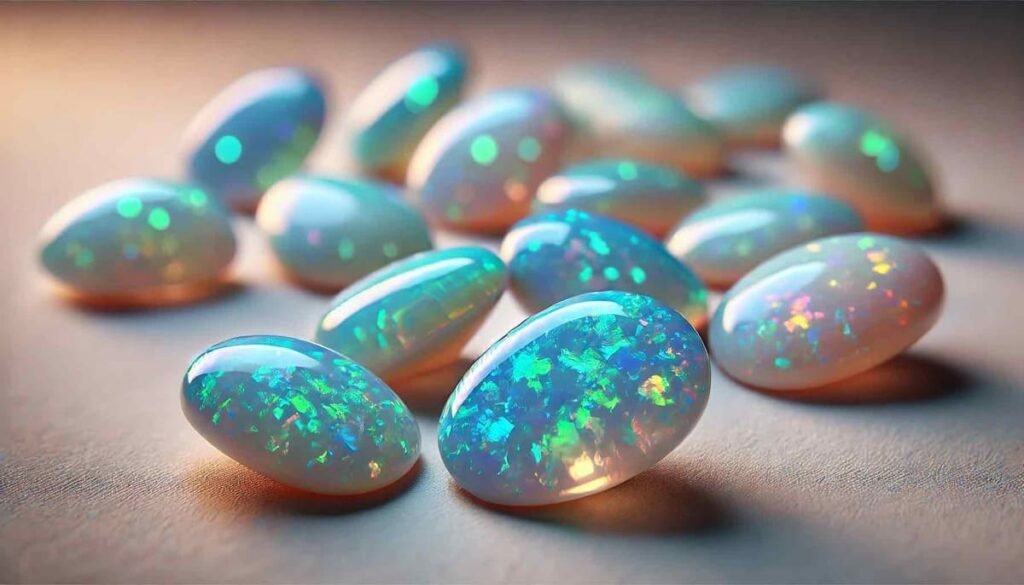
- Opal Birthstone: Known for its mesmerizing play-of-color.
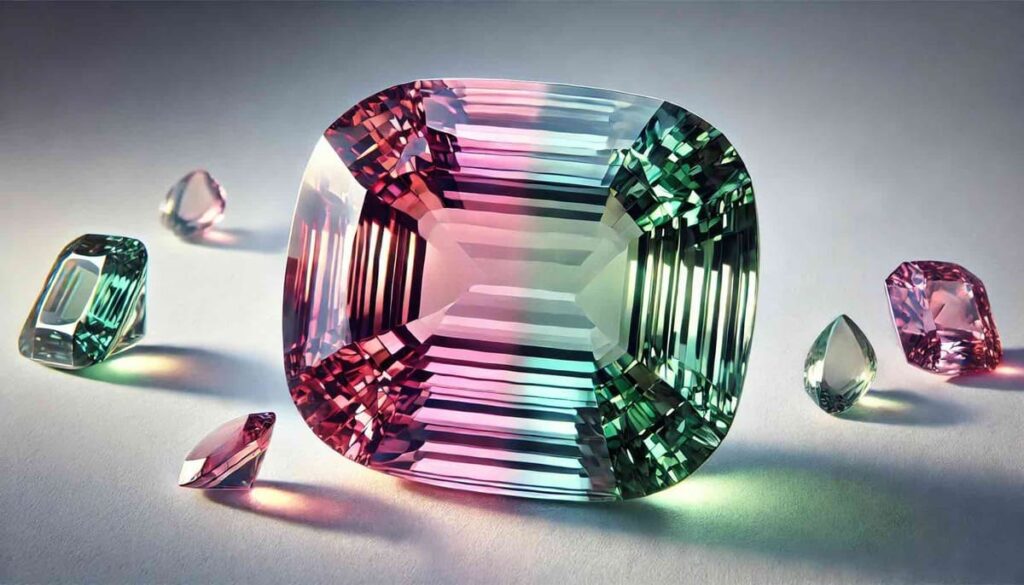
- Tourmaline Birthstone: Celebrated for its wide spectrum of colors.
Historical Significance
- Opal: The name “opal” is derived from the Sanskrit word upala, meaning “precious stone,” and later the Greek derivative opallios, meaning “to see a change in color.” Ancient Romans considered opals to be a symbol of hope and purity.
- Tourmaline: Its name comes from the Sinhalese word toramalli, meaning “stone of mixed colors.” Tourmaline was often mistaken for other gemstones due to its diverse hues.
Symbolism and Meaning
- Opal: Represents hope, creativity, and innocence. It is believed to enhance imagination and bring inspiration.
- Tourmaline: Symbolizes love, compassion, and emotional healing. It’s thought to promote balance and protection.
October Birthstone Color: A Spectrum of Beauty
Opal’s Play-of-Color
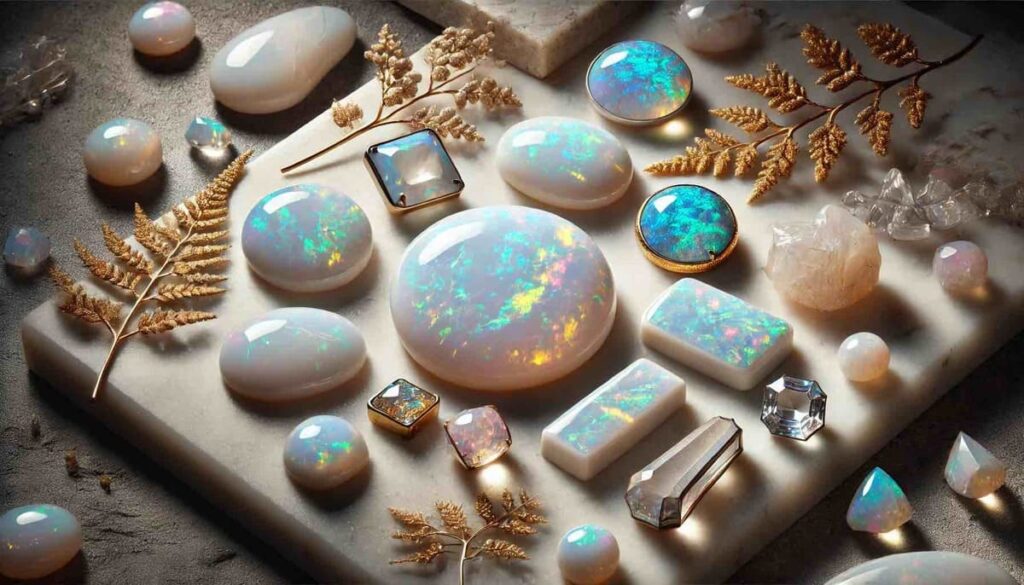
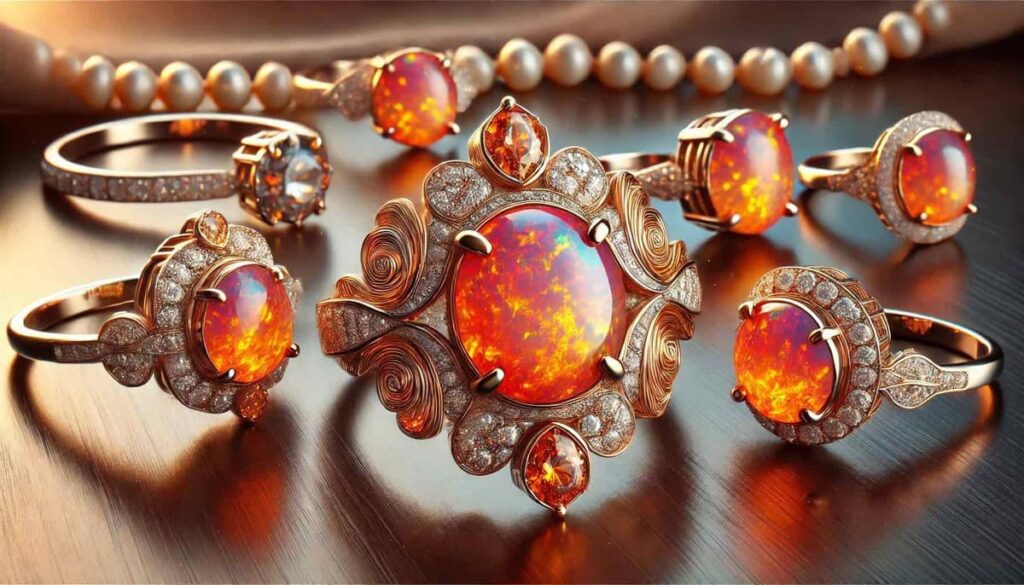
One of the most enchanting aspects of the opal birthstone is its play-of-color—a phenomenon where the gem displays flashes of rainbow-like colors when viewed from different angles.
- Common Colors: White, black, blue, red, yellow, and green.
- Types of Opals:
- White Opal: Has a light body color with vibrant flashes.
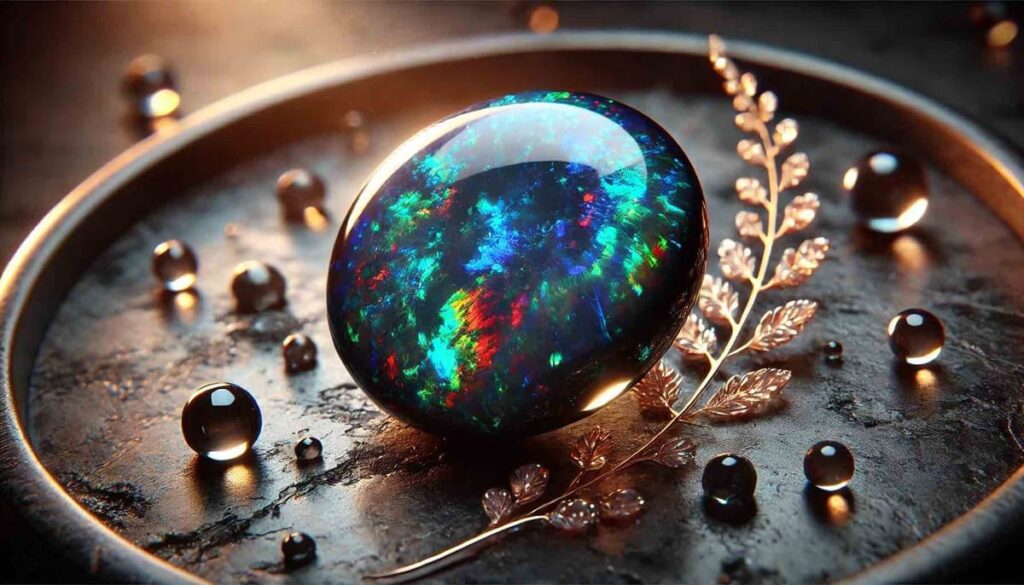
- Black Opal: The rarest, with a dark body color that enhances its play-of-color.
- Fire Opal: Translucent with warm body colors like yellow, orange, or red, and less play-of-color.
Tourmaline’s Colorful Spectrum
Tourmaline is renowned for its vast array of colors, often earning it the nickname “the rainbow gemstone.”
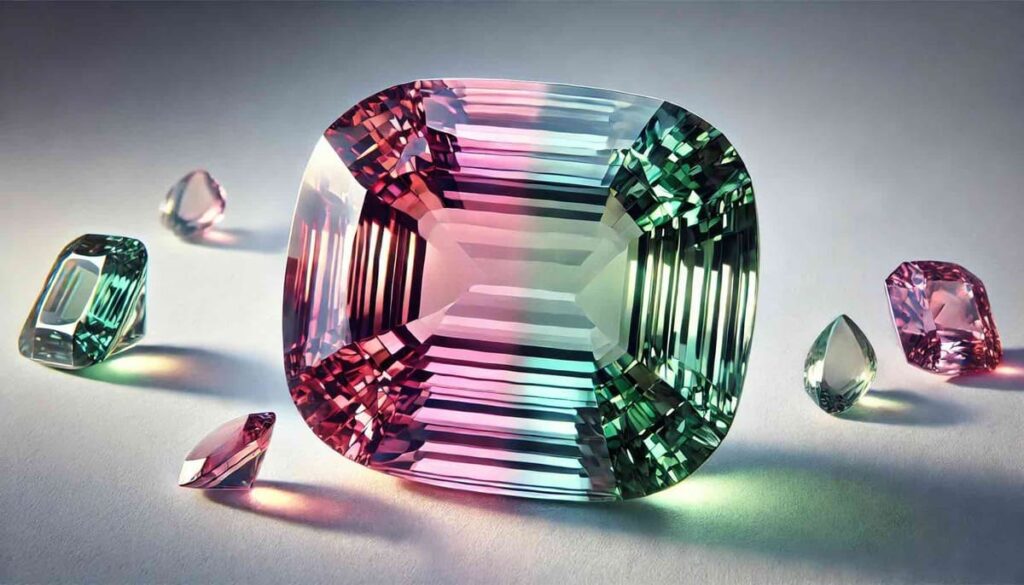
- Common Colors: Pink, green, blue, red, yellow, and even multicolored.
- Types of Tourmaline:
- Rubellite: Rich pink to red hues.
- Indicolite: Shades of blue.
- Verdelite: Various greens.
- Watermelon Tourmaline: Features green, white, and pink zones resembling a watermelon slice.
Opal Birthstone: The Gem of Enchantment
Formation and Composition
Opals are formed from silica-rich waters. Over time, silica deposits harden into opal, creating its unique internal structure that diffracts light to show the play-of-color.
Cultural Legends
- Ancient Arabia: Opals were believed to fall from the heavens in flashes of lightning.
- Australian Aboriginals: Legends say that opals were created when the Creator came to Earth on a rainbow, and the stones sprang up where his foot touched the ground.
Opal Birthstone Jewelry
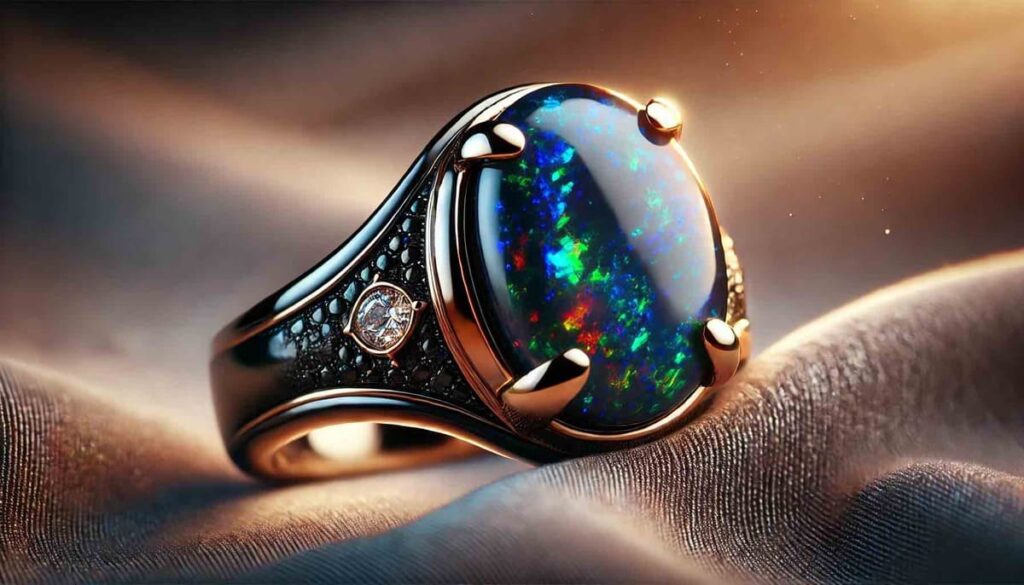

October birthstone jewelry featuring opals is highly sought after for its unique beauty.
- Popular Settings:
- Rings: Opal rings can be statement pieces due to their vibrant colors.
- Necklaces: Pendants that showcase opals make elegant accessories.
- Earrings: Studs or dangles that capture the opal’s play-of-color.
Styling Tips
- Metal Pairings: Opals pair beautifully with both white and yellow gold.
- Complementary Stones: Diamonds or other colored gemstones can enhance the opal’s brilliance.
Tourmaline Birthstone: The Stone of Many Colors
Formation and Composition
Tourmaline is a crystalline boron silicate mineral compounded with elements such as aluminum, iron, magnesium, sodium, lithium, or potassium.
Unique Properties
- Piezoelectric Effect: Tourmaline can become electrically charged when heated, attracting dust and small particles.
- Color Zoning: Some tourmalines display different colors in the same crystal due to changes in fluid chemistry during formation.
Tourmaline Birthstone Jewelry
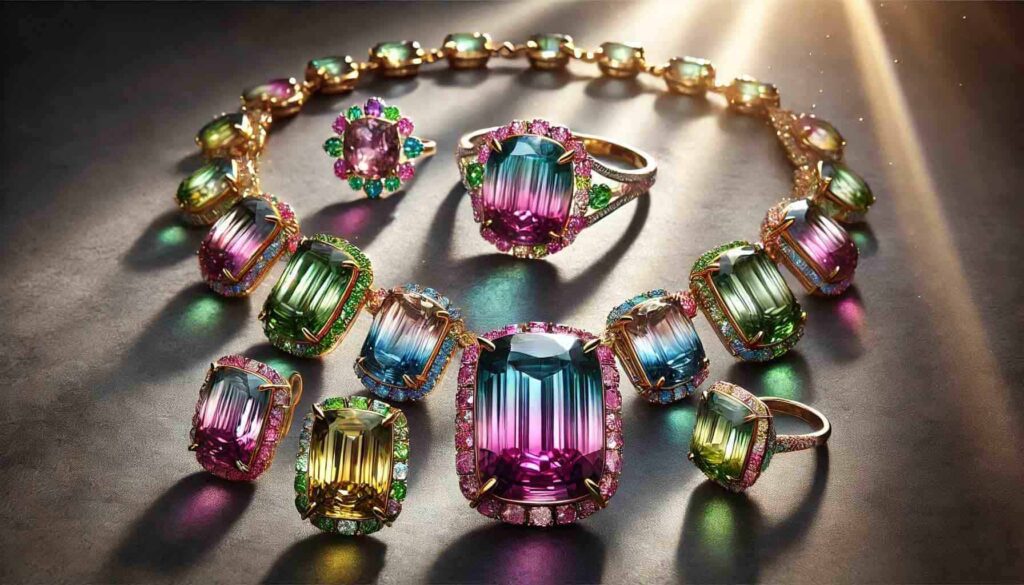

October gemstone jewelry featuring tourmaline offers versatility due to the gem’s wide color range.
- Popular Styles:
- Multicolored Pieces: Showcase the gem’s natural color variations.
- Engagement Rings: A unique alternative to traditional diamonds.
- Bracelets: Beaded or set with multiple tourmaline stones.
Styling Tips
- Metal Choices: Rose gold complements pink tourmaline, while white gold enhances blue and green varieties.
- Layering: Mix and match tourmaline jewelry with other pieces for a bohemian look.
Choosing Between Opal and Tourmaline
When selecting your October birthstone jewelry, consider the following:
Personal Style
- Opal: Ideal for those who appreciate iridescence and a touch of whimsy.
- Tourmaline: Suits individuals drawn to vivid, solid colors and variety.
Durability
- Opal:
- Hardness: Ranges from 5.5 to 6.5 on the Mohs scale.
- Care: Requires gentle handling to prevent scratches and cracks.
- Tourmaline:
- Hardness: Ranges from 7 to 7.5 on the Mohs scale.
- Care: More durable than opal but should still be protected from hard knocks.
Budget
- Opal: Prices vary widely based on quality, type, and origin.
- Tourmaline: Generally more affordable, especially in smaller sizes.
Caring for Your October Gemstone Jewelry
Proper care ensures your October birthstone jewelry retains its beauty for years to come.
Cleaning Tips
- Opal:
- Avoid Water Immersion: Opals are porous and can absorb water.
- Cleaning Method: Wipe gently with a soft, damp cloth.
- Tourmaline:
- Safe Cleaning: Use warm, soapy water and a soft brush.
- Avoid Ultrasonic Cleaners: Especially for stones with inclusions.
Storage Recommendations
- Separate Storage: Keep opal and tourmaline pieces separate from harder gemstones to prevent scratches.
- Soft Pouches: Use lined jewelry boxes or soft pouches.
Handling Precautions
- Opal:
- Temperature Changes: Avoid exposing opals to sudden temperature shifts.
- Tourmaline:
- Physical Impact: Protect from hard blows that could cause fractures.
Incorporating October Birthstones into Your Life
Birthstone Gifts
Gifting October birthstone jewelry is a thoughtful way to celebrate birthdays, anniversaries, or personal milestones.
- For Her: Opal earrings or a pink tourmaline pendant.
- For Him: Cufflinks featuring black opal or green tourmaline.
Engagement and Wedding Jewelry
- Unique Rings: Opal or tourmaline center stones make for distinctive engagement rings.
- Anniversary Bands: Incorporate these gemstones to commemorate October anniversaries.
Fashion Accessories
- Everyday Wear: Small opal studs or a simple tourmaline bracelet add elegance to daily outfits.
- Statement Pieces: Bold necklaces or cocktail rings for special occasions.
The Spiritual and Healing Properties
Opal’s Metaphysical Attributes
- Emotional Amplifier: Believed to enhance emotions and release inhibitions.
- Creativity Booster: Stimulates originality and dynamic creativity.
Tourmaline’s Metaphysical Attributes
- Protective Stone: Thought to create a shield against negative energies.
- Balance and Harmony: Helps to balance the right-left sides of the brain.
Conclusion
The October birthstone offers a rich tapestry of colors, meanings, and styles. Whether you’re drawn to the enchanting play-of-color of the opal birthstone or the vibrant hues of the tourmaline birthstone, there’s an October gemstone that resonates with your personal style and spirit. Embrace the beauty and symbolism of these gems through exquisite October birthstone jewelry, and let them add a touch of magic to your life.
Related
- January Birthstone
- February Birthstone
- March Birthstone
- April Birthstone
- May Birthstone
- June Birthstone
- July Birthstone
- August Birthstone
- September Birthstone
- November Birthstone
- December Birthstone
Additional Resources
- Gemological Institute of America (GIA): www.gia.edu
American Gem Society (AGS): www.americangemsociety.org
Frequently Asked Questions
Q: Can I wear opal jewelry every day?
A: While opals are delicate, you can wear them daily with care. Avoid heavy physical activities and harsh chemicals to prevent damage.
Q: Is tourmaline more durable than opal?
A: Yes, tourmaline is harder than opal, making it more suitable for daily wear, especially in rings.
Q: How do I choose between opal and tourmaline?
A: Consider your personal style, color preference, and how you plan to wear the jewelry. Opals offer iridescence, while tourmalines provide a range of vibrant colors.
Q: Are there synthetic versions of these gemstones?
A: Yes, synthetic opals and tourmalines exist. Always purchase from reputable jewelers who can provide certification of authenticity.
Q: What metal settings are best for opal and tourmaline?
A: Both gemstones pair well with various metals. Opals often look stunning in white or yellow gold, while tourmalines can be set in any metal depending on the color of the stone.
By embracing the captivating allure of October’s birthstones, you not only wear a piece of Earth’s natural artistry but also carry with you the rich history and symbolism these gems embody.